
The Ultimate Guide to Designing Durable Power Tool Battery Decals
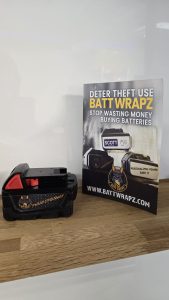
In the world of power tools, battery decals play a crucial role in both branding and functionality. Whether you are a tool manufacturer, a reseller, or an individual looking to customize your equipment, understanding how to design durable power tool battery decals is essential. The operating conditions exposed to these decals involve dust exposed to water while facing heat along with chemical substances and typical usage wear. Tough power tool battery decals must receive meticulous planning along with high-quality materials and functional design practices to achieve durability and professionalism. In this ultimate guide, we’ll walk through every step of designing long-lasting power tool battery decals so your products look sharp and stay informative for years to come.
Why Durable Battery Decals Matter for Power Tools
When it comes to power tool branding, battery decals play a far more important role than merely adding decoration. Users depend on battery decals because they present vital information about voltage together with capacity (Ah), model identifiers, safety alerts, and compatibility guidelines. The absence of sturdy battery decals creates risks for users to misuse power cells which can result in equipment damage while simultaneously decreasing performance and posing safety threats, especially with lithium-ion batteries. Any reputable brand must have accurate battery labels that are both clear to read and durable.
A smart design and durable printing of decals are vital for keeping up a professional image that strengthens brand identity and gets customers to trust the product. Customers viewing power tools with unmarred battery labels show positive brand perception because they interpret the condition as a symbol of professional design and product excellence. A poorly made decal that has an inferior lifespan by fading or peeling away rapidly will tarnish the quality perception of otherwise premium tools.
Investing in high-quality battery decals means brands will face fewer product returns and customer complaints, saving time and money in the long run. Strong battery decals minimize replacement needs particularly within industrial and construction sites since tools experience intense daily use. When properly installed the informative decal will provide prolonged visibility which consistently displays brand information with every tool usage. Ultimately, power tool battery decals are an essential part of the product, combining functionality and branding in a way that directly affects customer satisfaction and safety, making them a smart investment for any manufacturer looking to build a strong reputation.
Step 1: Understanding the Function and Environment of Power Tool Battery Decals
People should grasp the strenuous conditions and essential functions of these decals before engaging in design work. Power tool battery decals are not just for appearance; they often contain essential technical specifications like voltage ratings (e.g., 18V, 20V MAX), amp-hours (Ah), and model numbers, along with brand logos and safety icons that guide proper usage. All these labels need to show high resistance against challenging environmental conditions. Since tools often spend time in vehicles and outdoor construction sites cooling and heating conditions require resistance from the tool decals. The need for water and chemical resistance exists because batteries encounter oil grease solvents and cleaners in normal usage situations. The essential requirement for power tool batteries includes abrasion and scratch resistance since these batteries undergo repetitive handling operations and end up touching multiple tools inside storage boxes. The final property of UV resistance protects outdoor job site decals from deteriorating in sunlight exposure. Therefore, when designing heavy-duty battery decals, it’s vital to choose materials and printing methods that can withstand these harsh elements, ensuring longevity and legibility throughout the life of the battery.
Step 2: Choosing the Right Materials for Long-Lasting Battery Stickers
1. Vinyl vs. Polyester Decals
The industrial sector selects vinyl and polyester materials as their preferred choices for creating decals. Vinyl battery decals are flexible and conform to curved surfaces, making them great for batteries with rounded edges. When used on high-impact surfaces polyester decals prove to be the most durable option because they resist scratches.
2. Adhesive Selection
A durable particular backing system is vital to achieving long-term use of decal products. Search for industrial-grade adhesives that create strong bonds to HSE plastics such as ABS and polycarbonate because these materials constitute many battery casings. Pressure-sensitive adhesives (PSA) should be considered because they provide quick and effortless application.
3. Protective Overlaminate
Applying a clear overlaminate enhances resistance to UV, chemicals, and abrasion. Polycarbonate overlaminates add thickness and protection without sacrificing readability.
Step 3: Designing for Maximum Durability and Legibility
1. Use High-Contrast Colors
Choosing contrasting colors stands as an essential factor for determining battery specifications. Text remains easy to read through time thanks to black writing applied on white or silver surfaces or white text set on black surfaces. Bold colors that strictly follow branding guidelines should be selected for branding elements.
2. Choose the Right Font and Size
When seeking a modern appearance select sans-serif fonts that include Arial or Helvetica or Roboto. Avoid overly decorative fonts. Set the text size at a minimum width distance for easy legibility for the user.
3. Add Functional Icons and Graphics
All necessary pictograms such as battery safety symbols and recycling icons alongside compatibility markers must be included in the decal design. Modern display resolution standards protect graphical elements from fading during use.
Step 4: Integrating Safety and Compliance Elements
Regions throughout the world need clearly displayed compliance information on power tool batteries which means you must incorporate this essential detail into your decal design. The product safety and environmental standards together with quality standards must be certified through the CE marking for Europe and FCC certification for the USA and RoHS (Restriction of Hazardous Substances). Proper lithium-ion battery safety warning labels must incorporate essential disposal symbols along with fire-risk notifications and recycling symbols because they serve multiple purposes for both user safety education and regulatory adherence. When designing your battery decals, it’s important to allocate sufficient space to include these certifications without making the label look overcrowded or cluttered. The design should maintain mandatory content visibility while staying professional and branded because it also ensures easy readability.
Step 5: Incorporating Brand Identity into Battery Decals
The battery decal directly extends your brand image thus serving as a fundamental tool that improves both brand identification and consumer trust. Decisions about continuous logo deployment alongside color standards and text design generate a solid brand signature that customers instantly recognize in multiple products. Implement vector logos to achieve the best results because they produce clear details that scale while keeping a sharp resolution regardless of the display dimensions. The precise representation of your brand colors depends on Pantone color matching during large-scale printing to ensure your decals match brand standards. A decal with a strong brand presence should show the logo front and center yet still display vital specifications of voltage and capacity prominently. The color scheme of the decal should match perfectly with your power tool production design while sustaining visual unity between all products. Each battery size in your range should use uniform design aspects such as typefaces and placement of icons and color schema to achieve professional consistency.
Step 6: Testing and Prototyping Your Decal Design
Before moving to final production, it’s essential to test your battery decals in real-world conditions to ensure they meet durability standards. The durability against physical harm of decals becomes clear through examination tests conducted using keys or other measuring instruments to replicate drop scenarios and surface contacts that happen during routine use. The success of the decals in resisting water damage is established through experiments with oils solvents and cleaning chemicals while power tool operating areas serve as the test location. Temperature tests serve a vital function in evaluating adhesives and materials to prevent degradation in both hot and cold conditions during outdoor use and vehicle storage periods. To evaluate discoloration effects on decals it is essential to subject them to UV tests following extended light exposure. The combination of examinations helps identify key flaws with design and material usage so that needed changes can be made before starting full-scale manufacturing to create durable end products.
Step 7: Working with Professional Decal Printers
Choosing a reliable industrial decal printing company is critical to ensure that your power tool battery decals meet durability and quality standards. The selection of printers that implement the use of UV-cured or eco-solvent inks as their durable ink alternatives is essential since these inks resist fading and both chemicals and abrasions. The selection of a custom die-cut shape provider by your company will permit perfect fitting of decals with your specific battery models and create a professional outcome. Search for commercial printers that provide quantity-based discounts since your production volumes will increase over time. The maintenance of a solid brand image requires selecting printing services equipped with color-matching capabilities to deliver B2B traffic signs with accurate and consistent brand colors throughout all the decals. A complete assessment of print samples should happen before starting big-scale production because it ensures print quality together with accurate color matching and sturdy materials. Test resistance to heat and water conditions and surface abrasion by requesting physical material examples which will help you confirm real-world durability.
Step 8: Application Tips for Long-Lasting Results
The application of decals depends on following the proper steps because improper application will lead to weak adhesion and reduced durability. Removing all oils along with dust and residue requires complete surface cleaning with isopropyl alcohol before applying the adhesive bond. You should stick decals in a controlled environment that is free from high humidity as well as dust and extreme temperatures to stop moisture or debris from getting stuck under the decal. Pressurized rollers combined with squeegees help both achieve smooth adhesion and push out all air bubbles that could damage the bond throughout time. The adhesive needs a complete curing time of between 24 to 72 hours as specified by the manufacturer for maximum durability so the decal will stay firmly attached during tough working situations.
Bonus Tips: Custom Power Tool Battery Decal Ideas
Looking to go beyond basic designs? Here are creative yet functional decal concepts:
1. Color-Coded Battery Decals
Stop and start batteries with different capacity levels by using distinctive color decal schemes (blue for 2Ah while red stands for 4Ah).
2. Branded Series Themes
Release custom special editions of decal patterns across multiple special variant options and exclusive limited-time color variations and joint projects.
3. QR Code Integration
The addition of Quick Response (QR) codes on your product enables customers to access user manuals and safety guides and register their devices through easy links.
4. Reflective or Glow-in-the-Dark Elements
Low-light or nighttime projects become safer through the integration of reflective strips or glow-in-the-dark accents on the products.
Final Thoughts on Designing Durable Power Tool Battery Decals
Designing durable and professional power tool battery decals is a mix of art and engineering. Your successful creation of resilient decals depends on the selection of superior materials coupled with well-designed products that meet regulatory standards and incorporate brand-specific elements.
The guidelines provided here will lead both established manufacturers and startup brands to produce battery stickers that maintain an attractive appearance while enduring long service life and causing minimal user replacement needs. High-quality battery decals aren’t just stickers — they are a statement of quality, safety, and professionalism.
Recap: Key Takeaways for Power Tool Battery Decal Design
- Use vinyl or polyester for maximum durability.
- Choose strong industrial adhesives.
- Incorporate protective overlaminates.
- Design with high contrast, legibility, and essential icons.
- Ensure space for compliance markings.
- Maintain consistent brand identity.
- Test in real-world conditions before mass production.
- Work with professional printers for best results.
- Apply decals on clean, prepared surfaces.
FAQs: Designing Power Tool Battery Decals
Q: How long do high-quality battery decals typically last?
Premium decals made from optimal materials show durability in harsh environments that lead to 5-7 years of service life.
Q: Can I create custom battery decals for personal use?
Yes! The multitude of online printers enables customers to request personal decal printing services specially suited for personal and small commercial needs.
Q: What’s the best adhesive for battery decals?
The best choice is industrial-grade acrylic adhesives which work for both plastic and metal surfaces at different temperatures.
Please reach out if this article helps you since it provides information about custom tool branding alongside industrial decal design and material sourcing. Ready to take your power tool battery decals to the next level? I am ready to begin producing your design right now.