
Using Custom Stickers for Tool Tracking and Loss Prevention
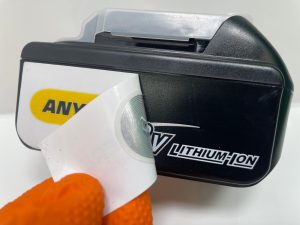
Tool monitoring and loss prevention are important issues in sectors including manufacturing, construction, automotive repair, and electrical work where tools are necessary for daily operations. Tools are frequently expensive investments, and their loss or theft can result in expensive delays and less output. Custom tool tracking labels are among the most economical and effective ways to address these problems. These tiny but effective identifiers play a significant role in loss prevention tactics in addition to aiding in the effective management of tools.
This in-depth article will discuss the advantages of utilizing durable asset tags, how personalized stickers can transform tool management, and how companies can include this solution in their tool-tracking system to improve inventory control and deter theft.
Why Tool Tracking Is Essential
Let’s first discuss tool tracking in general before moving on to how personalized stickers fit in. There is always a chance that tools will be lost, stolen, or forgotten in any job where many employees use different tools, whether it is a production floor, maintenance facility, or construction site. Without a proper tool management system, companies face several costly problems.
- Replacement costs are increased as lost tools need to be replaced constantly, eating into profits.
- Downtime due to missing tools can delay projects, disrupt the workflow, and miss deadlines. This in turn leads to reduced productivity and frustration among employees and management as employees waste time looking for tools that should be right at their fingertips.
- Poor tool management means inaccurate inventory records so managers can’t keep track of what tools are on hand and where they are.
These problems highlight the need for a tool tracking system that allows companies to track tool usage in real-time, hold employees accountable, and minimize the risk of tool loss — saving time, and money and improving overall efficiency.
How Custom Stickers Improve Tool Tracking
1. Unique Identification of Each Tool
One of the biggest benefits of using custom tool stickers is you can ID each tool. These custom barcode labels or serialized QR code stickers allow you to catalog tools in a central database. By scanning the tool’s barcode or QR code employees and managers can check ownership, usage history, and location.
2. Durable Asset Tags for Long-Term Use
Tools are used in harsh environments where abrasion, oil, dirt, chemicals, and water are common. So using durable asset labels made from vinyl, polyester or metalized foil ensures the identification stickers stay intact and readable. High-quality weatherproof tool labels resist wear and tear and offer long-term tool tracking solutions.
3. Preventing Tool Theft with Visible Ownership Marks
Custom stickers with company logos or “Property of” stickers are a clear visual deterrent to theft. Tools labeled with custom identification are much harder to pawn, resell, or misuse. In addition to barcodes companies often add bold warning labels such as “Company Asset – Do Not Remove” to prevent unauthorized removal of tools from the site.
Benefits of Using Custom Stickers for Tool Management
Cost-Effective Tool Management System
One of the biggest advantages of using custom stickers for tool tracking is it’s cost-effective. Unlike expensive RFID systems or GPS devices, custom tool stickers are a low-cost solution that fits small businesses and large organizations’ budgets. Custom stickers can be ordered in bulk at a reasonable price so you can label and track a large number of tools without straining your resources. This is cost effective so you can implement a comprehensive tool-tracking system without investing in high-cost technology. By using durable asset labels you can ensure long-term identification of tools without replacing and losing them. For small and medium-sized businesses especially, affordable asset tracking through stickers is a great way to track tools and minimize downtime.
Easy to Implement and Use
Another great benefit of using custom tool stickers is how easy they are to use. Applying stickers requires minimal time and effort and employees need very little training to start tracking tools effectively. Once the stickers—whether barcodes or QR codes—are applied, tools can be scanned using smartphones or handheld barcode scanners. No need for complex or expensive scanning devices. QR code tool tracking is very popular because it integrates seamlessly with mobile apps so employees can check tools in and out easily. The simplicity of this system means you can start managing tools better right away with no steep learning curve.
Improved Inventory Accuracy
Custom tool stickers also play a big role in maintaining accurate tool inventory records. With each tool labeled properly, managers can keep real-time records of which tools are available, checked out, or under repair. Tool inventory management stickers prevent the confusion and inefficiencies that come from lost tools. Better project planning and less delays result from having an accurate tool log, which guarantees that the appropriate tools are available when needed. Better utilization of business resources and quicker workflows are the results of this.
Enhanced Accountability and Employee Responsibility
Finally using custom stickers with barcodes or QR codes promotes employee accountability. When tools are checked out and tracked digitally, there is a record of who used the tool when it was taken and when it was returned. This system reduces tool misuse and motivates employees to return tools on time knowing that usage is being tracked. So companies experience less tool loss and better maintenance of expensive equipment.
Types of Custom Stickers for Tools
1. Barcode Stickers
The easiest and most efficient approach to tracking tools is with barcode stickers. You can use a mobile device or a barcode scanner to scan these simple stickers. Users can quickly retrieve tool details, including ownership information, maintenance schedules, and usage logs, by scanning the barcode. Barcode stickers are often used in hectic job sites and warehouses where time is of the essence since they facilitate speedy check-in and check-out procedures.
2. QR Code Stickers
Another well-liked choice that has grown in popularity because of its adaptability is QR code stickers. In contrast to barcodes, QR codes can hold more data and may be scanned using a QR code reader app on any smartphone. A QR code tool tracking app can display detailed information like maintenance history, current location and past usage, a complete tool tracking solution right from your mobile device.
3. Tamper-Proof Stickers
Tamper-proof stickers or void labels are an additional security feature that deters theft. When someone tries to remove these stickers, they are intended to leave a “void” mark or exhibit obvious damage. This tamper-evident mechanism prevents theft and unlawful tool removal while guaranteeing that ownership information is preserved.
4. Custom Logo Stickers
Custom logo stickers allow businesses to put their brand on every tool. These branded stickers not only add a professional look but also make tools easily identifiable on shared work sites, reducing tool mix-ups with other companies’ tools.
How to Implement a Custom Sticker-Based Tool Tracking System
Step 1: Catalog All Tools
Making a master inventory of all the tools and equipment is the first step in putting up a tool-tracking system. Important information such as the name, model, date of purchase, and current condition should be included with every tool. Make sure each tool has its own ID to guarantee precise tracking. Asset tracking software that integrates barcodes and QR codes is strongly advised. This software will be the central database for managing tool information and tracking their movement.
Step 2: Order and Apply Stickers
Ordering personalized stickers that correspond to each tool’s unique ID comes next when the inventory is finished. Depending on the system you select, they could be barcodes, QR codes, or a mix of the two. Choose stickers that are weatherproof, long-lasting, and able to endure frequent use. To make scanning easier without interfering with the tool’s functionality, stickers should be placed on the visible and robust areas of each tool.
Step 3: Connect to Tool Monitoring Software
After labeling, integrate the stickers with tool tracking software. This system should show real-time updates when a tool is scanned, whether it’s in use, available or under maintenance. Many modern tool-tracking apps also have mobile check-in and check-out features, so workers can manage tools on the go.
Step 4: Train Staff on Usage
Finally, train employees on how to use the tool tracking system, including scanning stickers and logging tool usage. Implement clear tool handling policies so everyone understands their responsibility in maintaining tool records.
Best Practices for Effective Tool Tracking with Stickers
To get the maximum efficiency and durability out of custom stickers for tool tracking, follow these best practices. First and foremost, companies ought to spend money on premium, weatherproof stickers. Using long-lasting, weather-resistant labels guarantees that stickers stay readable and intact for a long time because tools are frequently subjected to harsh environments including heat, moisture, dirt, and chemicals. This prevents frequent replacement and maintains consistent tool identification.
Placing stickers in areas that won’t affect the tool’s functionality or safety is a crucial procedure. Stickers should be visible for scanning, but they shouldn’t be placed on surfaces that could endanger the user if covered or on areas that are subjected to frequent wear. You can make sure the stickers work without any problems by positioning them carefully.
It’s a good idea to apply tamper-proof or void labels for valuable tools. By marking the tools as business property, these security stickers assist prevent theft and make it obvious if someone has attempted to tamper with them.
Integrating tool tracking with maintenance schedules is an additional crucial step. Businesses may monitor service dates and tool conditions by connecting sticker information to maintenance logs, increasing tool longevity and safety.
To ensure that all instruments are appropriately labeled and tracked, regular audits are also crucial. This procedure maintains correct inventory records and assists in locating any disparities. Additionally, keeping software records current gives managers real-time visibility into the location and condition of tools, which improves management choices.
It is crucial to promote employee accountability by implementing a structured tool check-out and return procedure. Employees are more inclined to handle tools carefully and return them on time when they are aware that their usage is being tracked, which greatly reduces loss and misplacement.
Conclusion:
One of the best investments you can make to reduce tool loss, simplify inventory management, and increase accountability at work is to get personalized stickers for tool tracking. By assisting in the prevention of tool loss and theft, these inexpensive and simple solutions can help organizations save a substantial sum of money annually. Custom tool stickers offer scalable and adaptable tracking solutions, whether you’re managing a vast industrial warehouse or a small construction crew.
Custom tool tracking stickers stand out as a useful and efficient option as industries continue to look for simple solutions to monitor their equipment. Label your priceless instruments, monitor them, and protect your investment to prevent them from disappearing!